
Yes, running apparel selection is indeed seasonal. The core principle is to adjust the thickness, number of layers, and function of clothing according to temperature, humidity, and weather conditions to keep the body dry, warm, and allow for free movement.
Summer: Focus on breathability, quick-drying, and lightweight fabrics.
Recommended: Short-sleeved shirts, shorts, or lightweight sports vests.
Choose fabrics with quick-drying technology to wick away sweat quickly and prevent discomfort or chills caused by sweat retention. Light-colored clothing reflects sunlight and absorbs less heat, making it suitable for hot environments.
Spring and Autumn: Temperatures are moderate, so a single layer is sufficient, with adjustments made as needed.
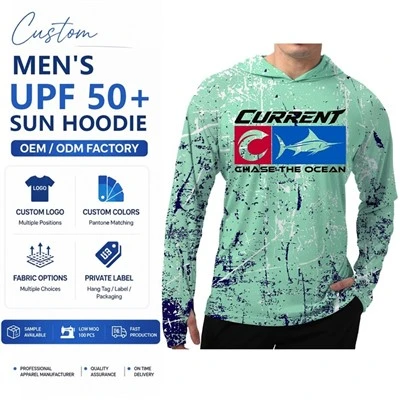
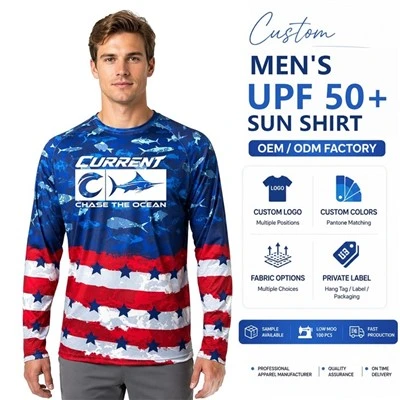
Choose a lightweight, quick-drying long-sleeved top and trousers, providing both sun protection and protection from light winds.
A thin windproof jacket can be worn underneath for warm-ups or rest periods.
High-waisted design and side pockets enhance ease of movement.
Winter: The "three-layer clothing method" is the mainstream scientific solution to address the problem of "getting hot while running and getting cold while resting."
Base layer (breathable layer): A tight-fitting, quick-drying garment responsible for wicking sweat away from the skin. Avoid pure cotton materials (as they absorb sweat but don't dry easily, potentially leading to hypothermia).
Mid-layer (Insulation): Fleece jacket, thin down vest, or wool-blend long-sleeved shirt, used to lock in body heat. Salomon's FALCON FLY series features an innovative optimization of this layer, achieving dynamic warmth.
Outer layer (Protective layer): Windproof and waterproof outer layer, blocking cold winds and rain/snow while maintaining breathability. In extremely cold regions (e.g., below -6°C), it is recommended to shorten outdoor running time or switch to indoor exercise.