
Hoodies have long broken the limits of casual wear and become core items in fashion, workwear, streetwear and sportswear lines. Most buyers and customers only focus on appearance, ignoring the wearing differences caused by fabric weight, hood structure, sewing craftsmanship and accessory details. This article breaks down core professional knowledge of hoodies from all dimensions.
Main Fabric Types & Application Scenarios
- 100% Cotton Terry Fleece
The classic basic fabric, divided into small loop terry and big loop terry, normally 280–420g/㎡. Smooth front side is perfect for printing and embroidery, inner terry loops retain warmth and breathability, ideal for spring & autumn styles. Combed cotton terry delivers soft touch and anti-pilling performance; carded cotton is cost-effective for budget basic styles.
- Brushed Fleece
The reverse side of fabric is brushed to form soft thick fluff, weight over 360g/㎡, exclusively for warm winter styles. Minor lint shedding may occur after repeated washing; premium styles apply pre-wash and anti-pilling finishing to solve this issue.
- Polyester Cotton Blend (CVC/TC)
CVC has higher cotton ratio, resisting deformation and fading; TC contains more polyester, stiff, quick-dry and wrinkle-free, widely used for sports and workwear hoodies.
- Functional Technical Fabrics
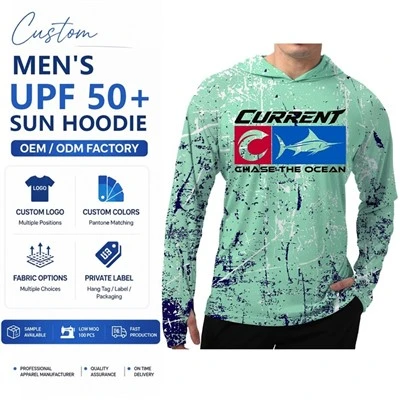
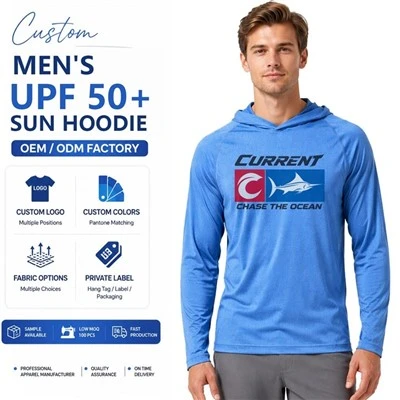
UPF sun protection fabric, recycled rPET eco fabric, cool ice silk fabric, waterproof laminated fabric. These are trending for cross-border orders, featured with sustainability and outdoor functionality, which require attached test reports.
Core Style & Fit Classification
- Regular Fit
Straight loose cut, fit all body types, mass universal styles with full size range XS–4XL, the most common blank hoodie for private label.
- Oversize Drop Shoulder Fit
Dropped shoulder line, extended length, mainstream cut for streetwear brands with extra loose tolerance, consuming 10% more fabric than regular fit.
- Slim Fitted Hoodie
Waist shaping & narrow cuffs to fit body curves, mainly for fitness sport series, matched with high-elastic rib for cuffs and hem.
- Utility Functional Hoodie
Equipped with side pockets, chest pockets, velcro straps, adjustable drawcords and multi-layer pockets, higher accessory cost and double sewing procedures.
Key Craftsmanship Determines Garment Grade
- Hood Craft: Single-Layer vs Lined Double-Layer Hood
Low-cost styles adopt thin single-layer hood, which collapses after washing. High-end styles use double-layer hood with lining to keep stiff shape. Cross-stitch reinforcement at hood bottom prevents tearing under tension. Eyelets include metal grommets (durable, premium texture) and plastic binding.
- Kangaroo Pocket Craft
Classic kangaroo pockets have two production ways: one-piece cut and split splicing. Split splicing features neat stitching and stable shape; one-piece cut saves production time but is easy to rip at stress points, recommended split pockets for bulk export orders.
- Rib Cuffs & Hem
Ordinary rib contains less than 5% spandex, losing elasticity after washing; high-elastic shrink-resistant rib has 8%–12% spandex with pre-shrink finishing, keeping shape after repeated washes. Two sewing options: single needle & double needle, double needle provides better durability.
- Post-print & Embroidery Process
Water-based print, plastisol print, heat transfer, 3D puff print, high-density embroidery. Water-based print is breathable for dark fabrics; 3D puff print adds layered texture for streetwear; embroidery is widely used for corporate workwear with long-lasting patterns.
Easily Overlooked Accessory Details
Drawcord types: flat cotton cord, reflective nylon cord, metal aglet cord. Neck binding options: cotton woven binding, elastic binding. Labels include ordinary woven label and thick satin label. For EU & US export orders, safety regulations restrict drawcord length-overlong cords must be shortened to avoid hazards for kids.
Conclusion
A premium hoodie relies on more than graphic design. Fabric weight, pattern tolerance, reinforced sewing and accessory standards together decide product grade. When handling orders or purchasing bulk goods, confirm fabric composition, weight, washing finishing and post-production requirements in advance to avoid after-sales issues like color difference, deformation and pilling.